Why Large Enterprises Continue to Invest in Premium Office Space Despite Hybrid Work
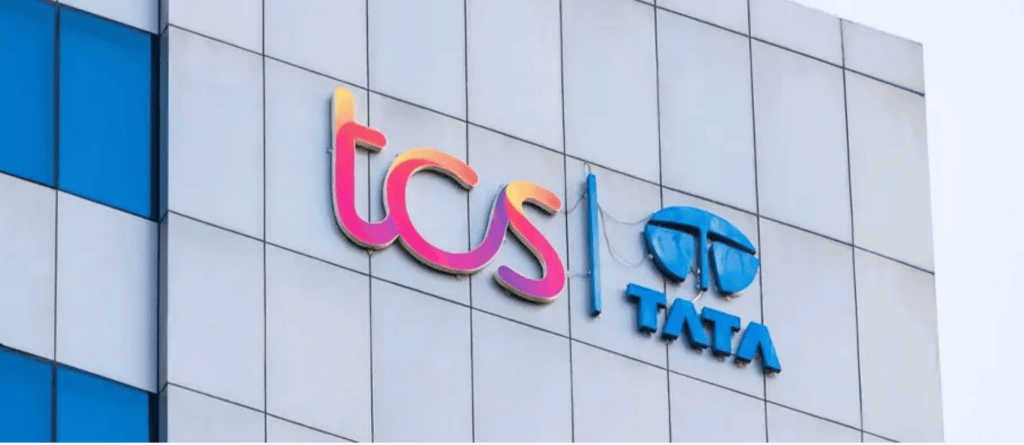
Tata Consultancy Services (TCS) has renewed a major office lease in Chennai, committing approximately ₹1,420 crore in rental payments over a 10-year period. The transaction reinforces a growing trend across India’s corporate sector: leading enterprises continue to make long-term commitments to high-quality office space despite the rise of hybrid work models.
For businesses evaluating managed office space for large teams, enterprise office solutions, or office space for 500+ employees, the deal provides valuable insight into how India’s largest employers are approaching workplace strategy.
Chennai Continues to Strengthen Its Position as an Enterprise Office Hub
Over the past decade, Chennai has emerged as one of India’s most important technology and business destinations.
The city offers:
- Deep technology talent pools
- Competitive occupancy costs
- Strong infrastructure
- Established IT corridors
- Availability of large-scale office campuses
For companies searching for:
- managed office space in Chennai
- office space for software companies
- office space for 1,000 employees
- enterprise office solutions India
- headquarters office setup
Chennai remains a compelling option.
Recent office expansion activity by major technology companies further highlights Chennai’s growing importance in India’s commercial real estate ecosystem.
Why Enterprises Are Signing Long-Term Office Leases Again
Following the pandemic, many analysts predicted a permanent decline in office demand.
However, the opposite is increasingly visible among large employers.
Organizations are realizing that physical workplaces remain critical for:
Talent Development
Training, mentoring, onboarding, and collaboration often work better in structured workplace environments.
Innovation & Collaboration
Complex problem-solving and cross-functional collaboration frequently benefit from in-person interaction.
Company Culture
Many organizations continue to use office spaces as culture-building hubs rather than merely work locations.
This explains why searches such as:
- office space for growing teams
- office space after startup funding
- office expansion planning
- enterprise office solutions
- flexible workspace solutions
continue to grow among business leaders.
Managed Office vs Traditional Leasing: What Growing Companies Can Learn
While large enterprises like TCS often enter direct lease agreements, many startups, SMEs, and fast-growing companies increasingly prefer managed offices.
Traditional Leasing
Benefits:
- Complete customization
- Long-term occupancy control
- Campus-style environments
Challenges:
- Large upfront capex
- Interior fit-out costs
- Facility management responsibilities
- Long setup timelines
Managed Office Space
Benefits:
- Faster move-in
- Lower upfront investment
- Scalability
- Professional office management
- Predictable monthly costs
This is why many organizations now search for:
- managed office cost per seat
- managed office for startups
- private office space for teams
- plug and play office space
- flexible office space for growing businesses
before committing to a long-term lease.
How Much Office Space Does a Company Need?
One of the most searched workplace questions today is:
How much office space per employee?
The answer depends on workplace strategy, collaboration requirements, meeting room density, and hybrid work policies.
Organizations evaluating office requirements frequently research:
- office space calculator
- office seating planner
- office space for 50 employees
- office space for 100 employees
- office space for 250 employees
- office space for 500 employees
before selecting a workspace solution.
What TCS’s Chennai Lease Means for India’s Commercial Real Estate Market
Large office commitments by leading employers send a strong signal to the broader market.
They indicate confidence in:
- India’s long-term talent advantage
- Continued demand for office-based collaboration
- Growth of technology and knowledge industries
- Expansion of enterprise operations
Similar large-scale office transactions across Bengaluru, Gurugram, Hyderabad, Pune, and Chennai suggest that premium office assets remain a strategic priority for large organizations.
What This Means for Startups and Growing Companies
While few businesses require millions of square feet of office space, the underlying lesson remains relevant.
Companies should focus on:
- Choosing office space that can scale with growth
- Balancing flexibility and cost efficiency
- Improving employee experience
- Planning office expansion proactively
- Selecting workspace models aligned with business goals
For many organizations, managed office spaces offer an attractive middle ground between coworking spaces and long-term office leases.
Key Takeaway
TCS’s ₹1,420 crore office lease commitment is more than a real estate transaction. It reflects continued confidence in India’s office market and highlights the ongoing importance of physical workplaces for collaboration, innovation, and long-term growth.
Whether you’re evaluating office space for 20 employees, managed office space in Chennai, private office space for startups, or planning a large-scale office expansion, the broader trend is clear: businesses continue to invest in workplaces that support productivity, culture, and future growth.


Leave a Reply